As part of the collaboration launched in 2025 between the CEDRI research team – Human Rights, Rule of Law and Democracy and the Center for Ethics and the Rule of Law (CERL) at the University of Pennsylvania, the project’s principal investigator, Professor Susana Sanz Caballero, carried out an intensive and productive research stay at that center between July 2 and August 3, 2026.
This collaboration began during the Fulbright Schuman stay that Professor Sanz carried out in the United States in 2025 and was subsequently strengthened by the visit of CERL’s executive director, Dr. Marcos Soler, to CEU Cardenal Herrera University on November 6, 2025. On that occasion, he gave the research seminar “The Rule of Law in the United States: Domestic Military Deployments and Judicial Response”, aimed at UCH researchers and students interested in the comparative study of the rule of law.
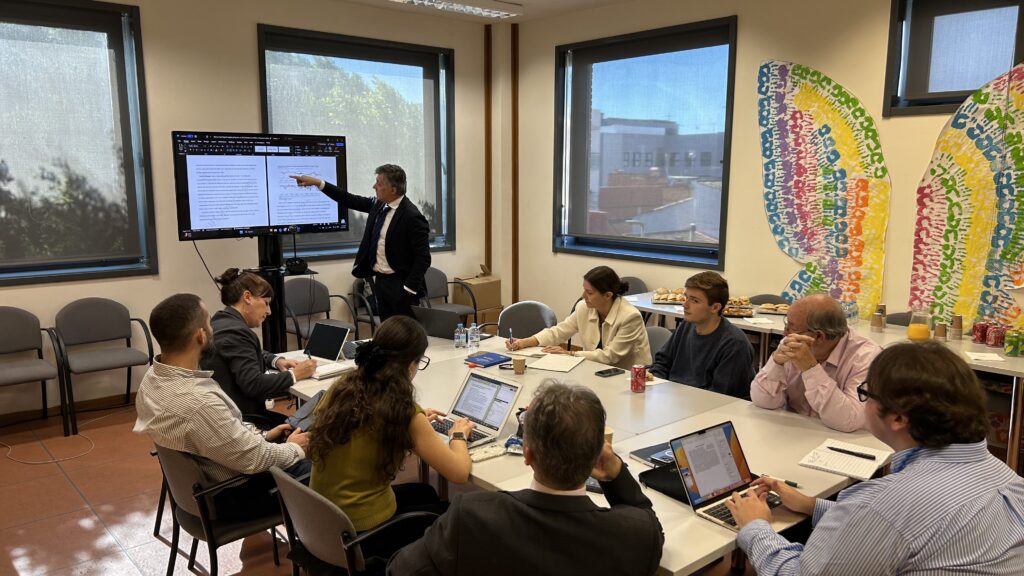
During her stay in Philadelphia, Professor Sanz actively participated in seminars organized by both CERL and the Carey Law School at the University of Pennsylvania, taught by renowned specialists such as Claire Finkelstein, Michael Paris, Duncan MacIntosh, Łukasz Kamienski, Frank Rosenblatt, and Kevin Govern. She also presented her own research at the seminar titled “The Challenges Posed by Hybrid Threats: From Conceptualization to Judicial Protection in Europe”, which sparked notable interest among attendees and led to an enriching debate on the challenges that hybrid threats pose to democracy and the rule of law.
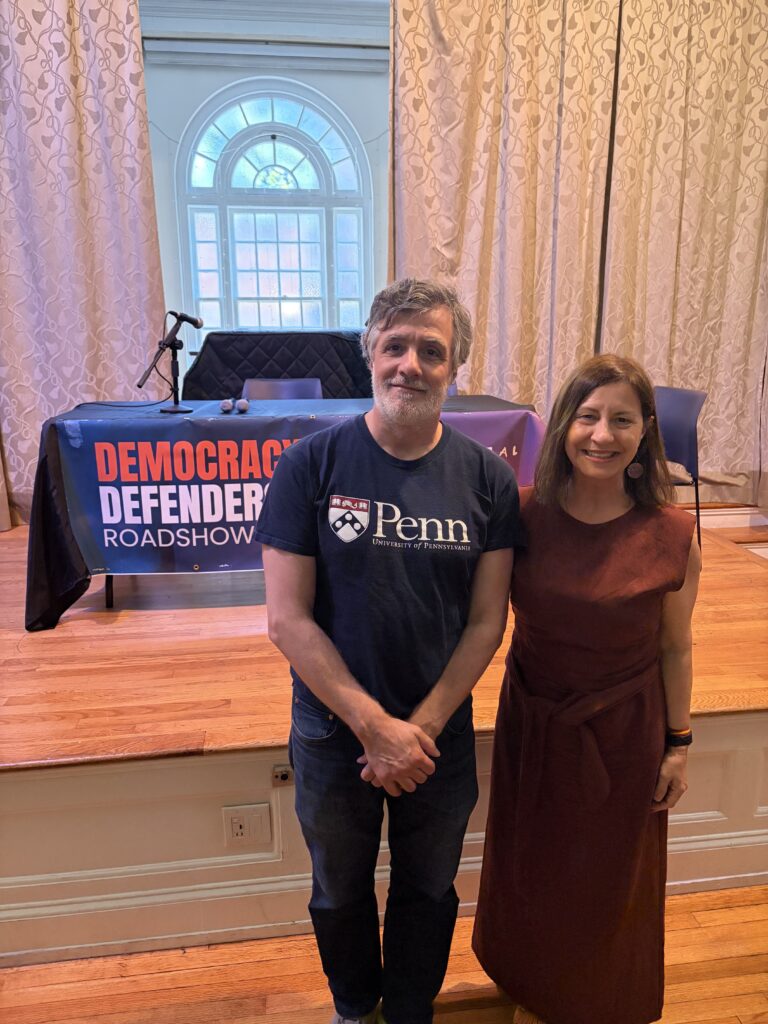
The stay also provided an opportunity to gain first-hand insight into the American political and institutional context. Professor Sanz took part in various events commemorating the 250th anniversary of United States independence, an experience that inspired her opinion piece published in the newspaper Levante-EMV under the title “A Stormy Anniversary.” She also attended the citizen dialogue organized by the Philadelphia Ethics Society on July 24, dedicated to “Defending Democracy in Philly: Lessons from Mexico, Guatemala, and Colombia,” as well as a lecture given by CERL’s president, Claire Finkelstein, in which the Dean of the University of Pennsylvania Law School also spoke, addressing current challenges facing the U.S. Department of Justice.
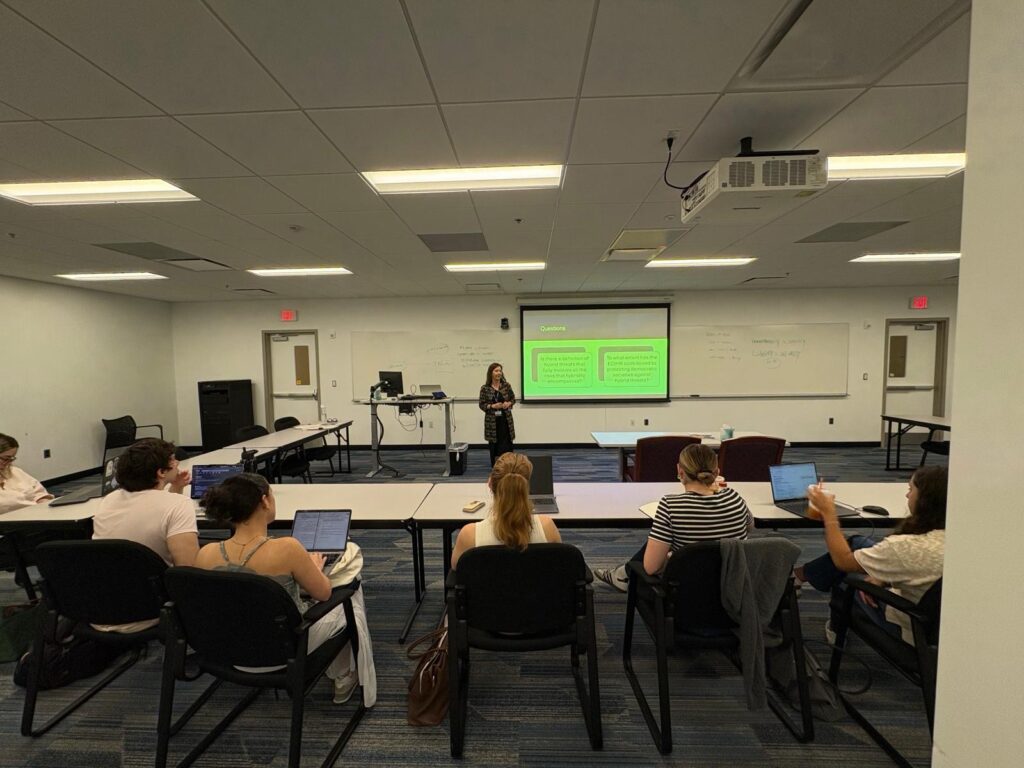
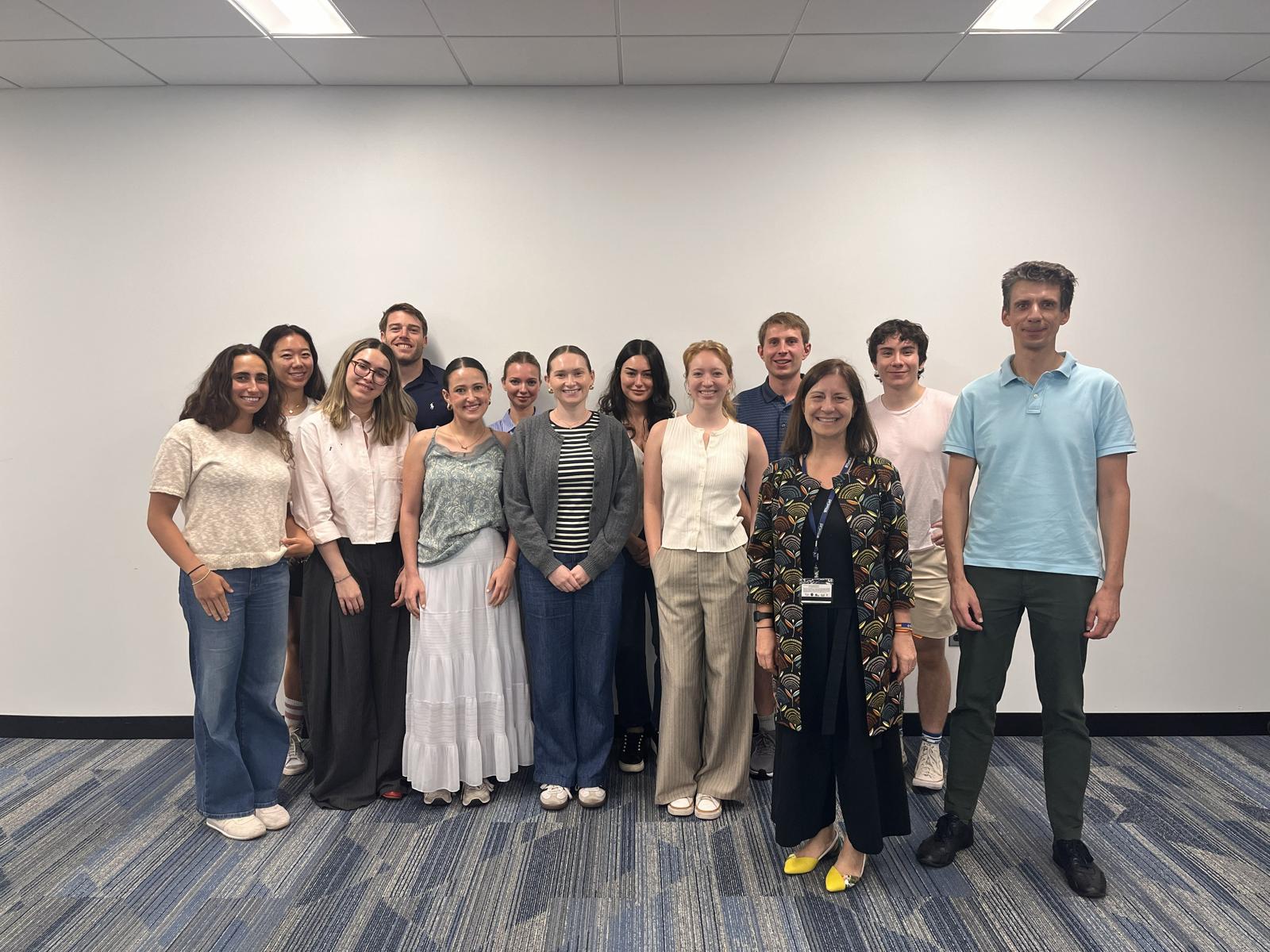
At the master’s and doctoral teaching level, she assisted in supervising students in CERL’s summer program, which brings together students from various American universities, and attended the presentation of their final projects, focused on highly topical issues such as election interference, the weakening of legislative power relative to the executive, and the risks that artificial intelligence poses to the rule of law.
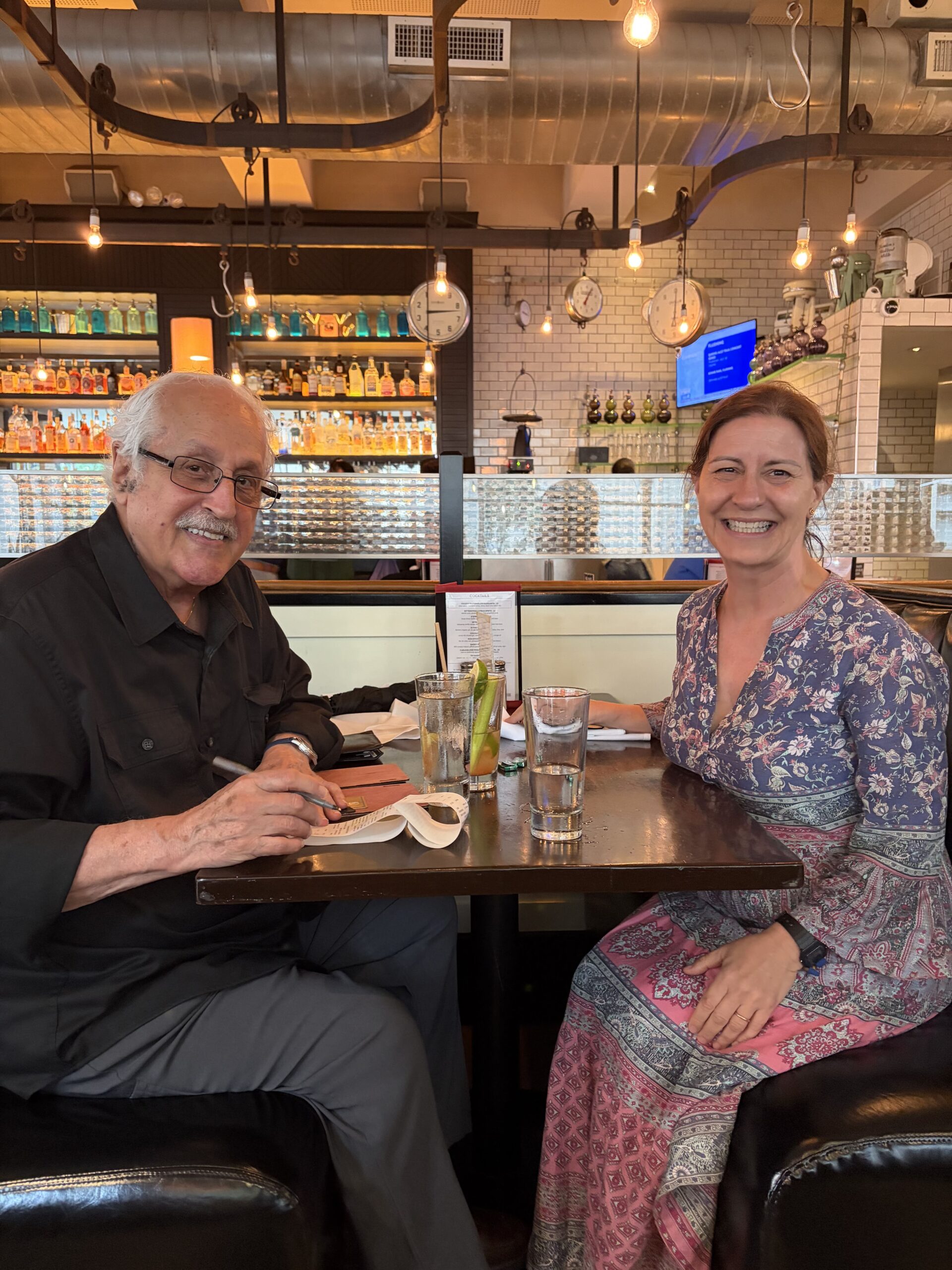
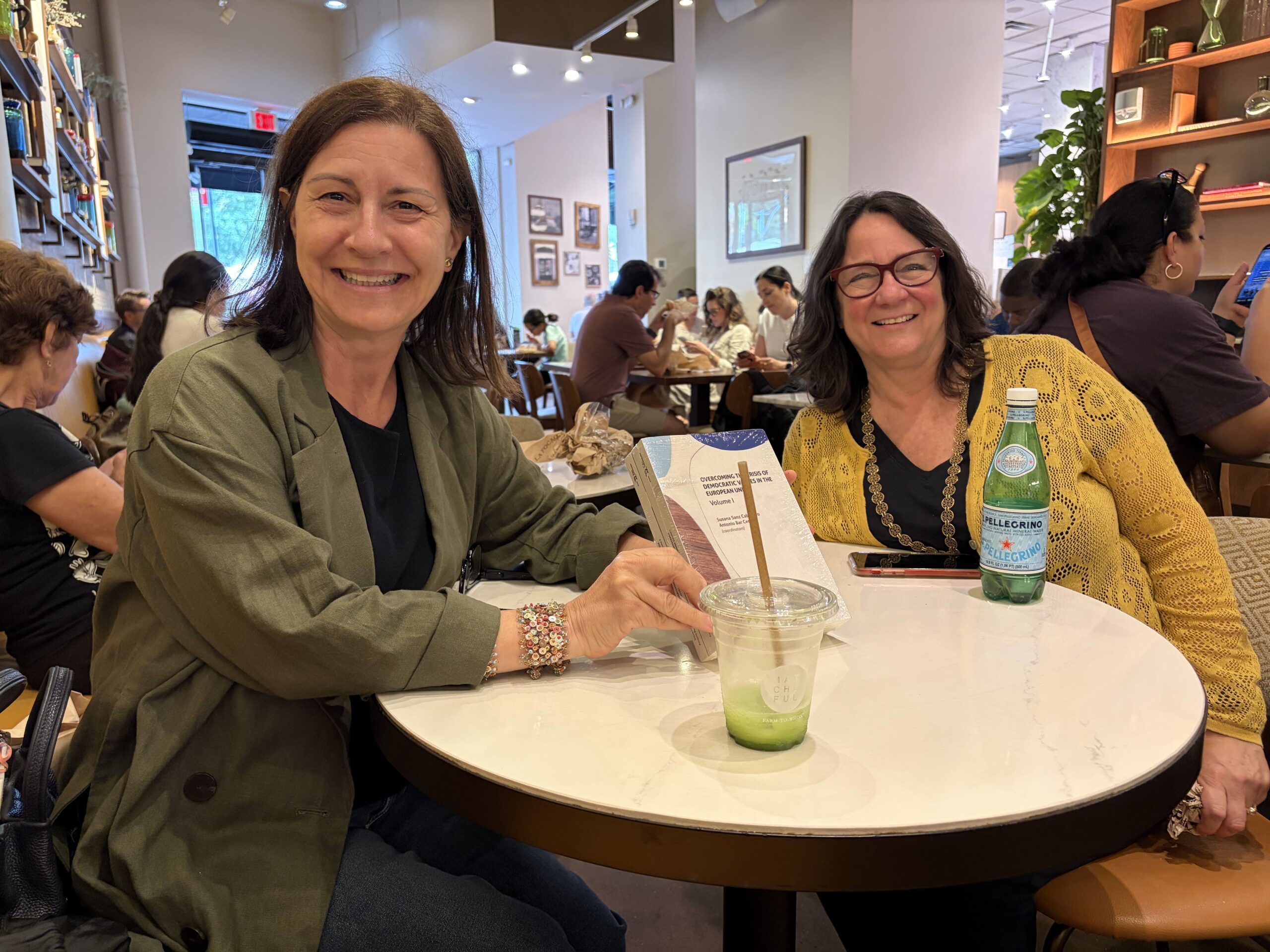
The stay also included a trip to New York for working meetings with representatives from the United Nations and City University of New York (CUNY), a university with which Professor Sanz has maintained a close relationship since her 2025 Fulbright stay. Among these meetings, particularly notable was the one held with Professor Jane Marcus-Delgado, who hosted the researcher at CUNY’s College of Staten Island and who shared the results of her recent academic activity and field research on the defense of the rule of law in Peru, exploring new avenues for scientific collaboration.
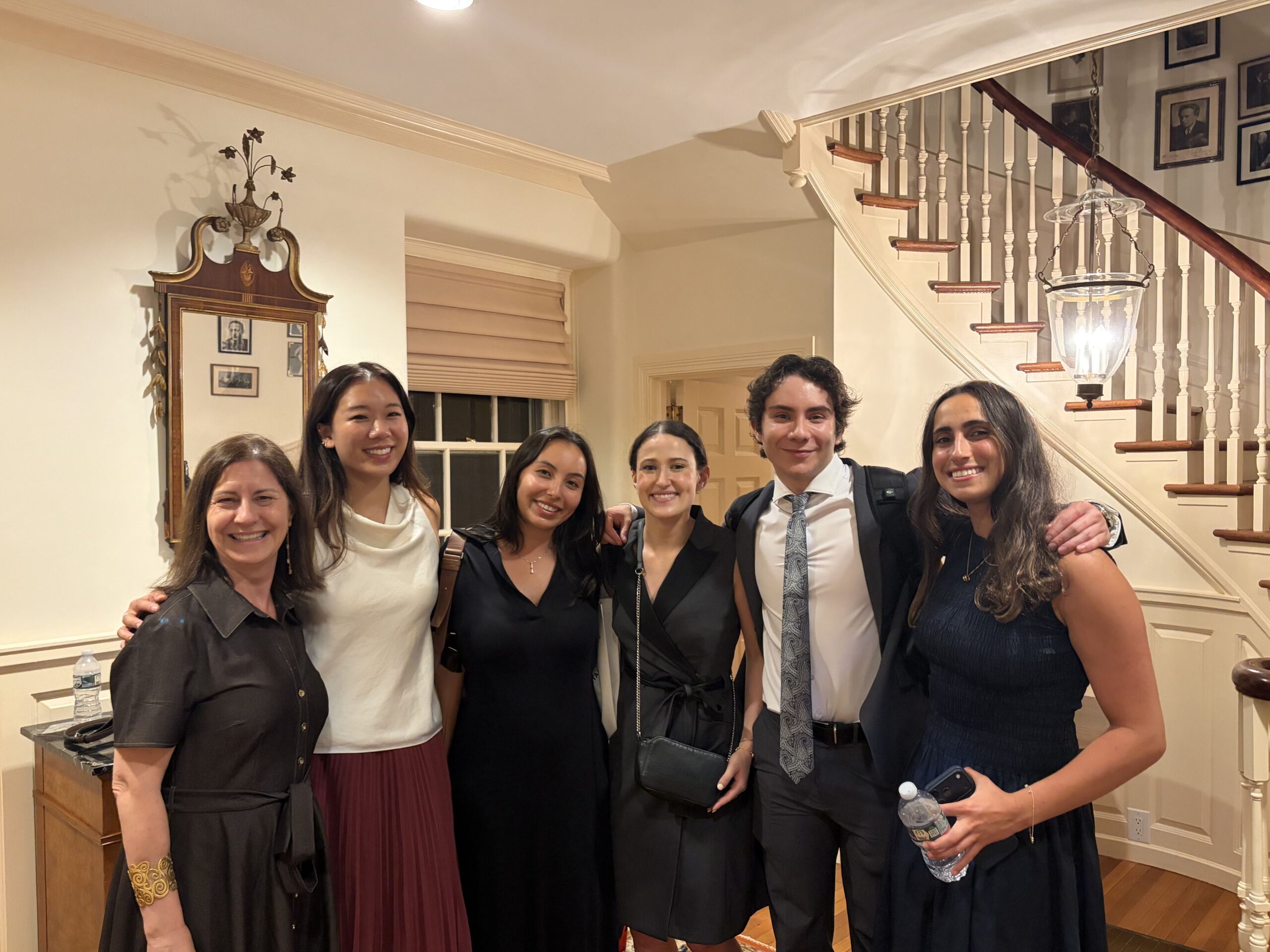
Professor Sanz had the opportunity to meet the members of CERL’s Board of Directors at the end-of-year meeting, where she was able to chat informally with the Center’s staff.

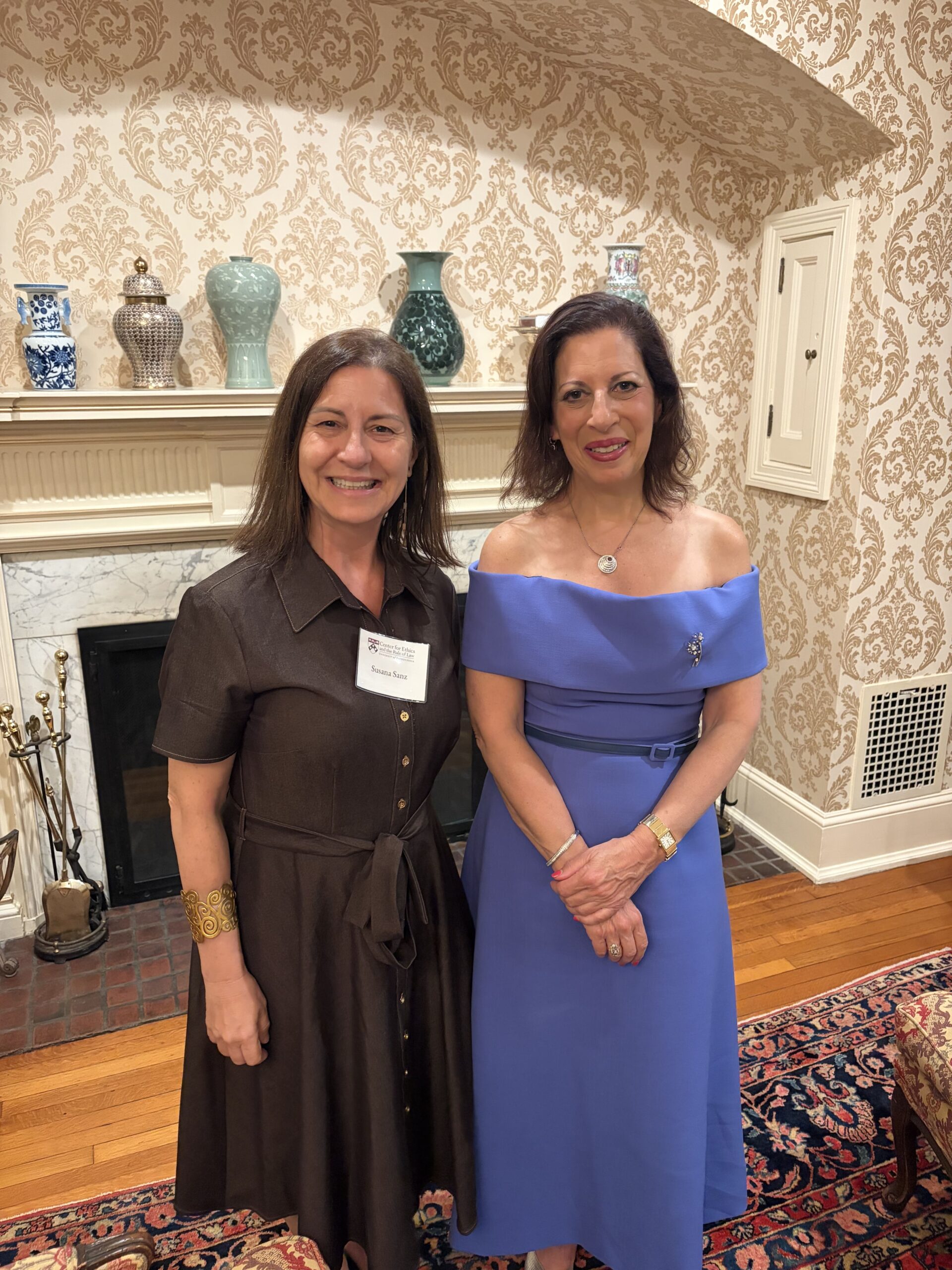
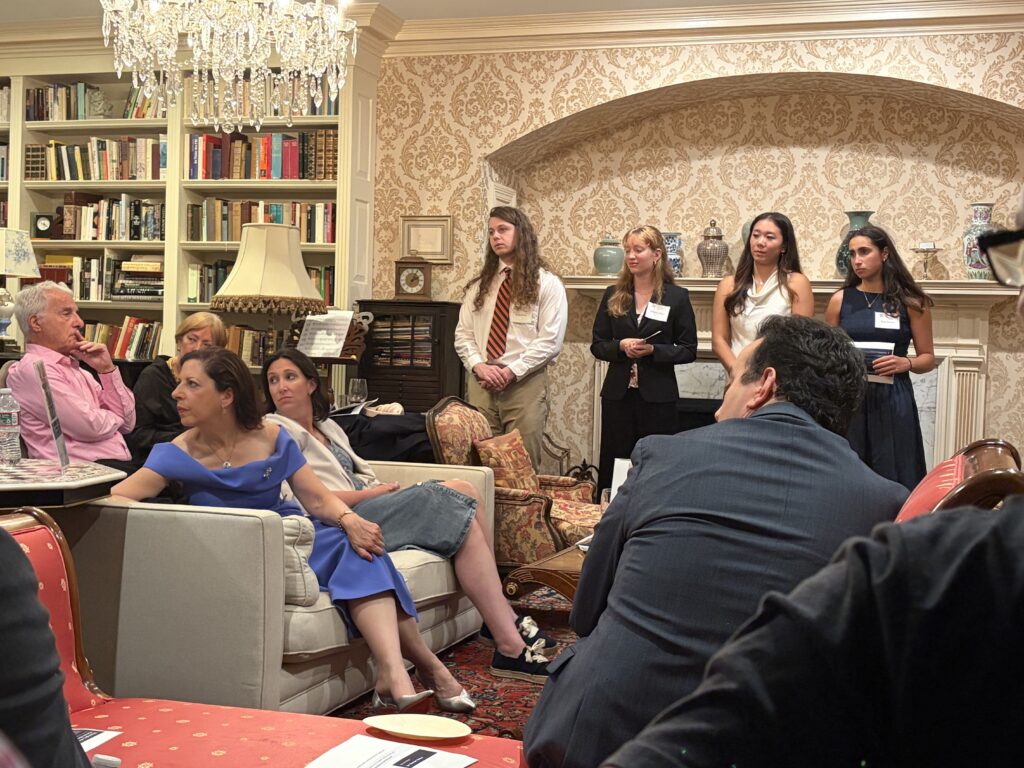
Finally, worth highlighting is the ongoing dialogue maintained with CERL’s executive director, Dr. Marcos Soler, whose collaboration provided access to reports, amicus curiae briefs, and other documents prepared by the Center on issues of particular relevance to Professor Sanz’s research. This exchange of ideas has also helped identify new lines of comparative research between the United States and the European Union on democracy, the rule of law, and resilience against hybrid threats, thereby further strengthening an academic collaboration that continues to grow.
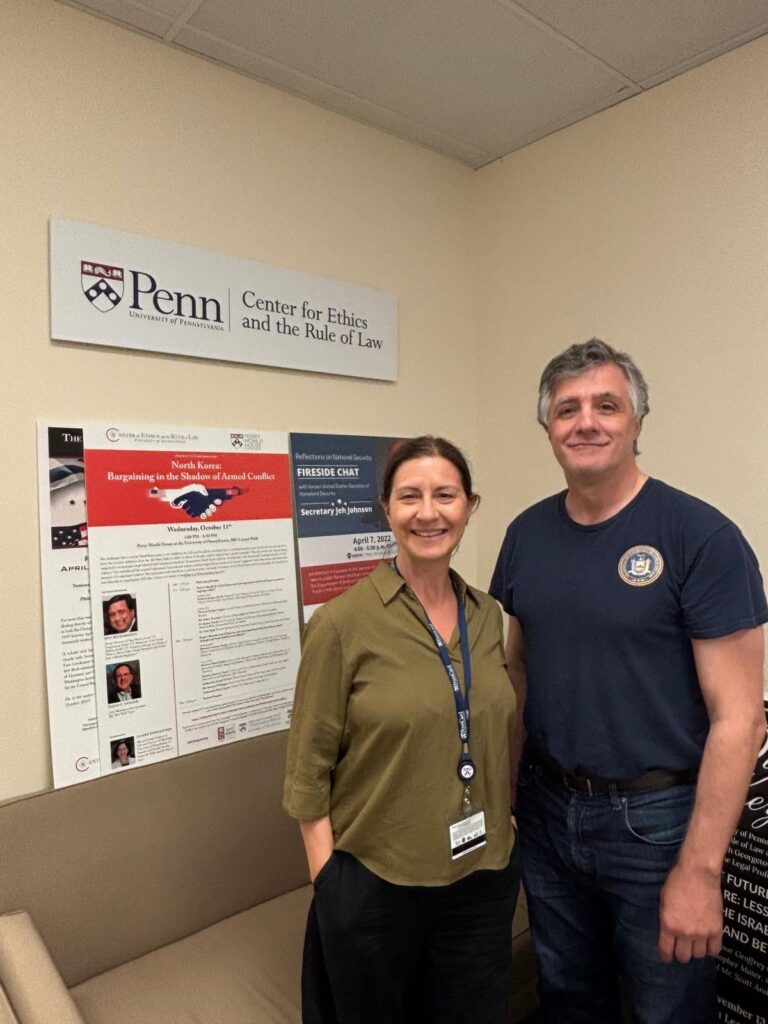
The knowledge gained, the strengthened scientific contacts, and the new lines of work opened during this stay will feed directly into the project’s future research activities, helping to deepen the comparative analysis of the crisis of the rule of law and the challenges that hybrid threats pose to constitutional democracies in Europe and the United States.